
Nearing the end of the initial four week timeline, the United States is at a crux in Iran. Skipping over how we got into this situation, completely out of our control; we need to project anticipated outcomes, and what that means for us.
I currently see two main trajectories and give the likelihood of both a 50/50 chance:
The war ends in the next two weeks
This becomes a 5-year war
For the two week resolution, Trump knows midterms are impending and needs to have favorable ratings at the polls. To continue the red wave, he needs to create the idea of growth, lower energy prices, boost markets, and keep troops out of conflict.
To fully achieve the desired outcomes in this war, a regime overhaul is required. There is no short term solution to achieve that. For an abrupt ending, we would see a propaganda wave claiming victory; behind the scenes, funds and munitions would be deployed to the area.
The claim of victory would reduce volatility in markets and energy prices, showing the US is back in control. US Hegemony increases the desire for US Debt, lowers borrowing costs, and boosts equity and asset values, creating a sense of growth. Granted a majority of this will be money printing and inflation - the point is the illusion of prosperity while the steam engine runs hot.
In the 5-year plan, oil volatility sparks panic in the bond market and goods inflation. With anticipated inflation, debt buyers demand a higher yield to supplement their loss from inflation. As yields increase, the borrowing costs for the US rise, and money printing is increased to supplement debt burdens, furthering monetary inflation in a doom spiral.
As energy costs increase, the costs for all goods and services rise. This rise is passed down to consumers and predominantly strains the lower and middle classes. In this scenario, Oil could reach $215/barrel, equivalent to its 2008 inflation adjusted high.
At this price, we would see gas prices around $8-10/gallon, higher in places like California, maiming the mobility of the proletariat. Outside of mobility, this will inflate food prices as costs for planting, harvesting, and trucking rapidly rise. As well, ⅓ of the world’s urea supplies (key component of fertilizer) are currently trapped in the Strait of Hormuz; with planting season rapidly approaching for corn, anticipated extremely low yields for 2026 and an oversupply of soybeans by farmers.
With the potential humiliation and actual domestic suffering, we could see a common enemy propagated in the media and a full fledged war. Similar to Ukraine, extensive ground troops would be required amongst autonomous drones and a naval blockade of the area. Iran has a similar climate to the mountain west areas of the US with hot, arid summers and cold, snowy winters.
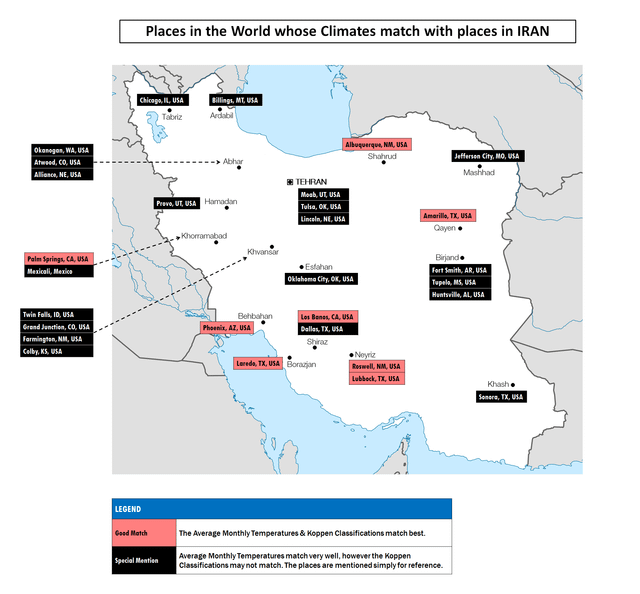
To fully achieve victory, the US would have to take over key population centers and establish local governments, while leaving the outskirts as a waste of resources and manpower.
What does this mean for us? We could have a continued false sense of growth, where currency evaporates at the logarithmic 7% rate and hard assets prevail. Or, we will see a long, grueling war where many troops will perish, energy costs and inflation decimate the lower and middle classes, and a new, lower standard of living must be realized for a majority of Americans.
As always, we can only control what we can. It’s imperative to know potential outcomes and be prepared if they occur. It’s never a bad idea to have gas in your car, some food in the pantry, and a little cash on hand. We won’t need bunkers; the world is not ending; it is changing.
As an optimist, I am going for Heads. Trump doesn’t want to see the proletariat maimed. :)
Pray for two weeks, but assume 5 years… Sounds like Saudi’s are pushing for boots on the ground to enforce regime change.