
Like a doctor measures a patient’s health, accountants measure a business’s health through balance sheets, income statements, and cash flow statements. Each serves a unique purpose and provides numerous insights into a company’s financial health.
The balance sheet shows a company’s financial position at a specific point in time. It is structured around the accounting equation: Assets = Liabilities + Equity.
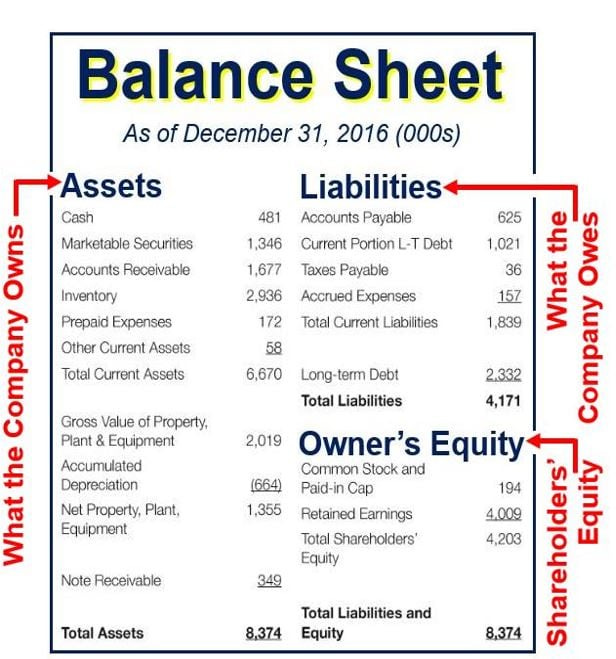
Value of everything the company owns
Cash
Equipment
Investments
Accounts Receivable
Value of everything the company owes
Accounts Payable
Outstanding Debt
Other obligations
Value of shareholder’s equity
Stock
Retained Earnings
The income statement, also known as a profit and loss statement (P&L), reports a company’s financial performance over a period of time. These metrics help users evaluate profitability, cost management, and operational efficiency.
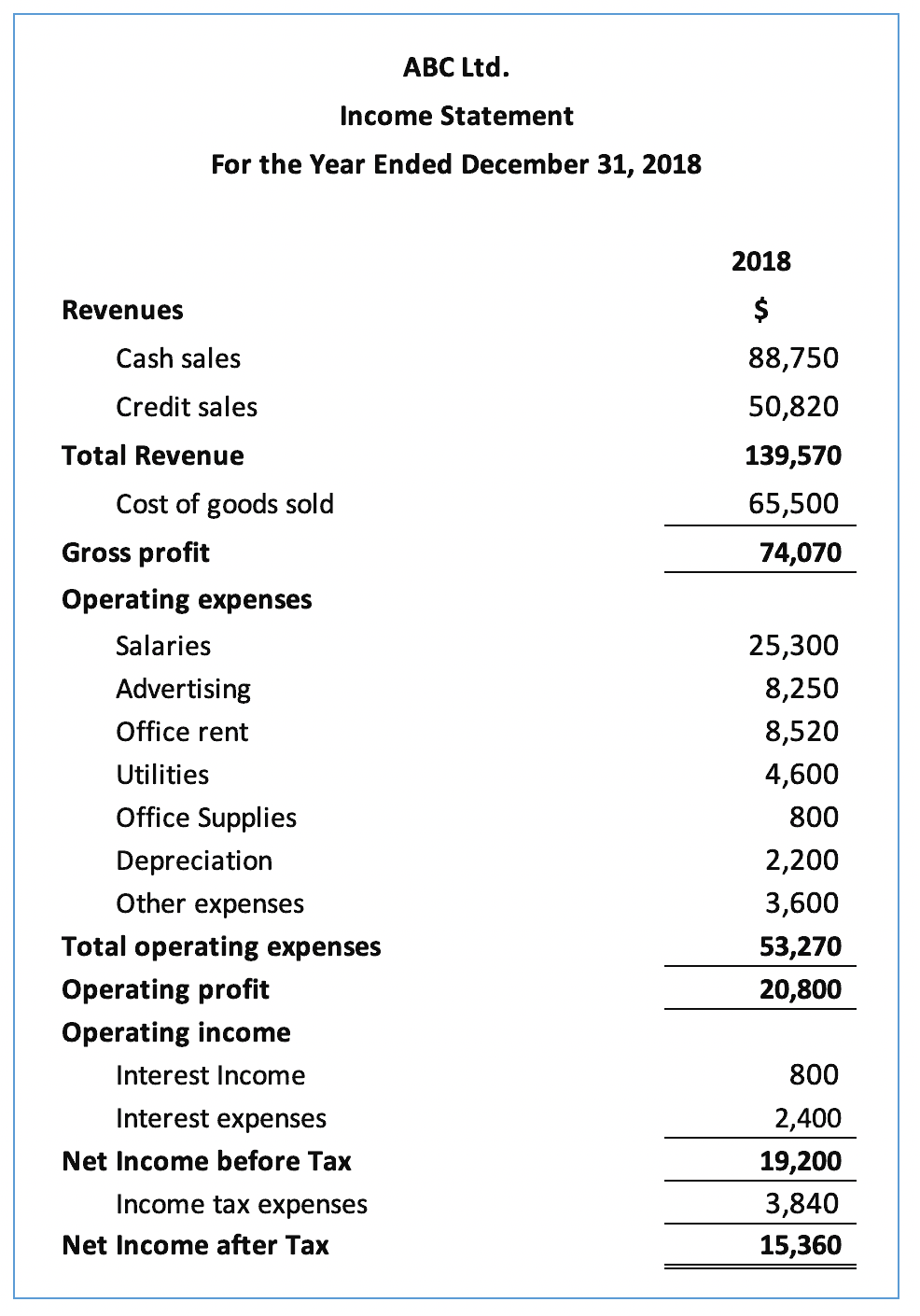
Positives
Revenue
Investment Income
Depreciation
Negatives
Cost of goods sold
Operating expenses
Fixed expenses
Taxes
The cash flow statement focuses specifically on the movement of cash in and out of a company during a period. It is divided into three main sections:
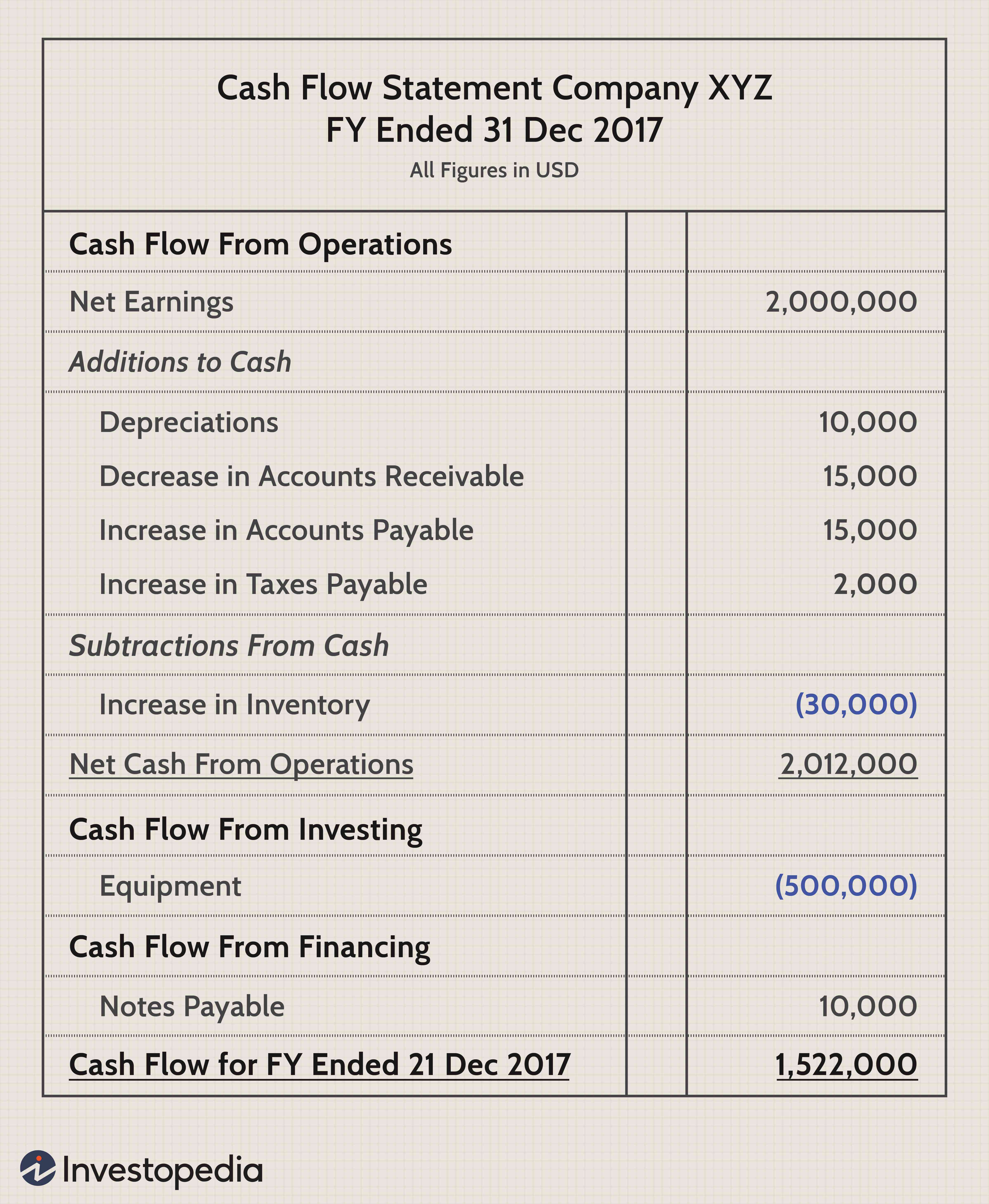
Operating Activities
Core Business Operations, including goods revenue and production costs
Investing Activities
Cash flow from long-term assets, including investment and equipment purchases
Financing Activities
Cash related to debt issuance, repayment, and dividends.
A recurring theme for the next few weeks is that the first two statements can be manipulated; cash flow is king.